
Louis P. Bucky, MD, FACS
Award-Winning, World-Renowned Plastic Surgeon
Premiere Destination for Finest Injectables & Skin Care
Breast Augmentation Surgery
Breast augmentation is one of the most popular cosmetic surgical procedures in the United States, with thousands of women choosing this surgery each year to enhance breast volume, improve proportions, and restore fullness that may have changed over time. At Bucky Plastic Surgery in Philadelphia, breast augmentation is performed using a highly personalized approach designed to create balanced, natural-looking results that complement each patient’s unique anatomy and aesthetic goals.
Dr. Louis P. Bucky is a Harvard-trained, board-certified plastic surgeon with more than 25 years of experience in cosmetic and reconstructive surgery. Widely recognized for his expertise in breast surgery, Dr. Bucky performs over 500 breast procedures each year and is frequently invited to lecture and perform live surgery at leading international plastic surgery meetings.
Recognition & Expertise
- Named a Philadelphia Magazine Top Doctor every year since 2000
- Ranked #6 among more than 7,000 plastic surgeons nationwide by Newsweek
- Voted Philadelphia’s Best Breast Augmentation Surgeon by Philadelphia Weekly (2023)
- Selected as “Best for Breasts” in goop’s Guide to Cosmetic Surgeons
- Former Chairman of the Allergan Advisory Board for Breast Augmentation and Reconstruction
- Featured expert on ABC, NBC, and FOX
- What Is Breast Augmentation?
- Why Choose Dr. Bucky for Your Breast Augmentation
- Saline vs. Silicone Implants
- Implant Placement Options
- Incision Techniques
- The Consultation Process
- Preview Your Breast Augmentation Results with VECTRA XT Imaging
- Recovery Timeline and Expectations
- Pre-Operative Preparation
- Post-Operative Care and Instructions
- Implant Longevity and Replacement
- Breast Augmentation and Breastfeeding
- Breast Augmentation and Mammography
- Risks and Complications
- Combination Procedures
- Frequently Asked Questions
- Patient Testimonials and Results
- Why Natural Results Matter
- Advanced Technology and Techniques
- Financing Options
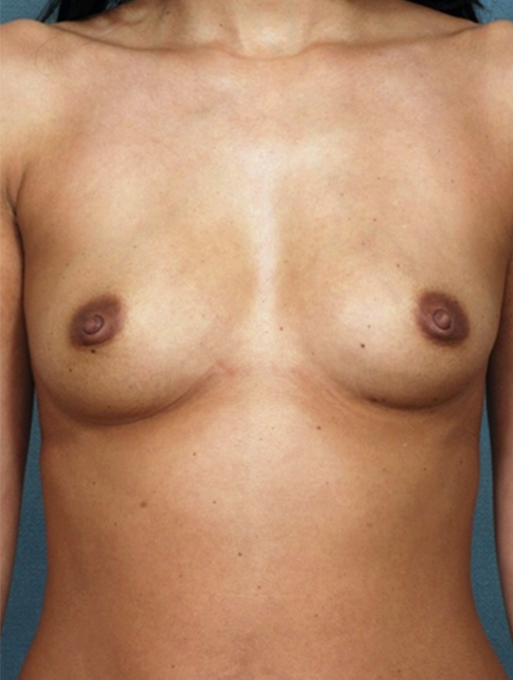
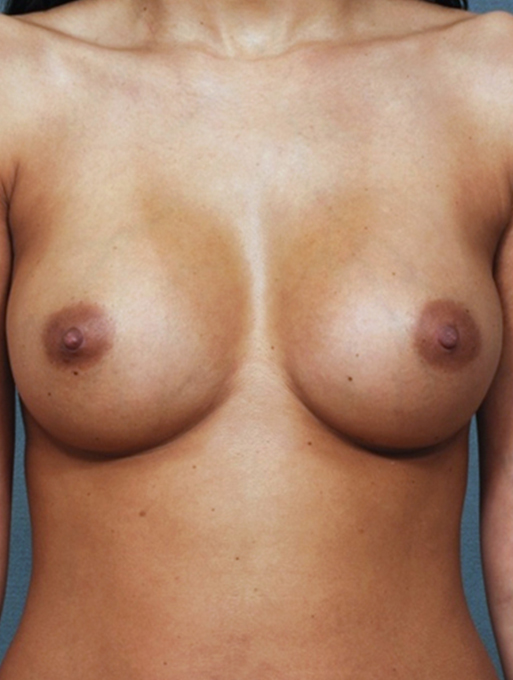
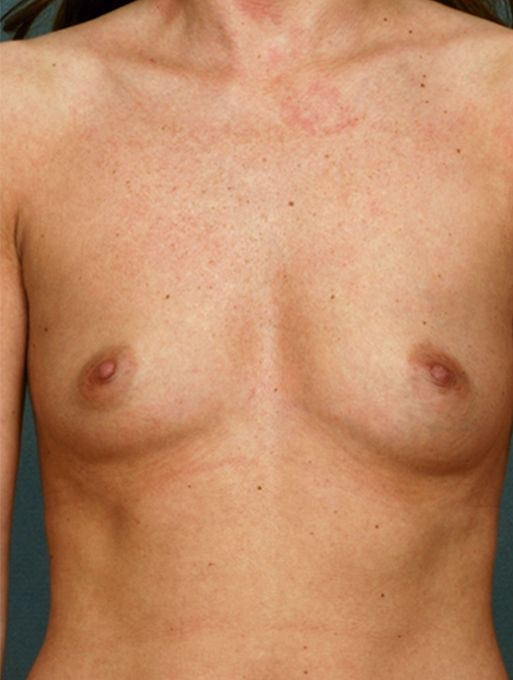
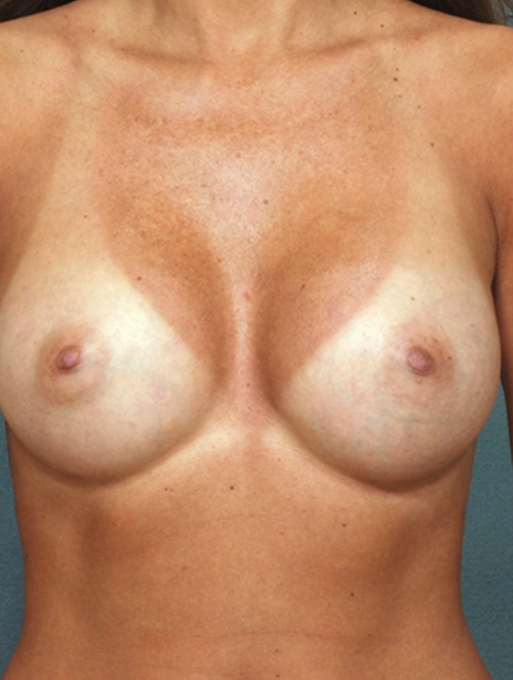
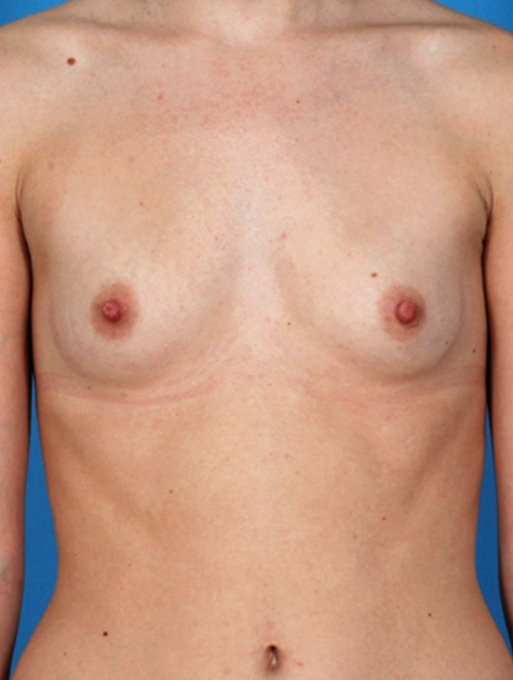
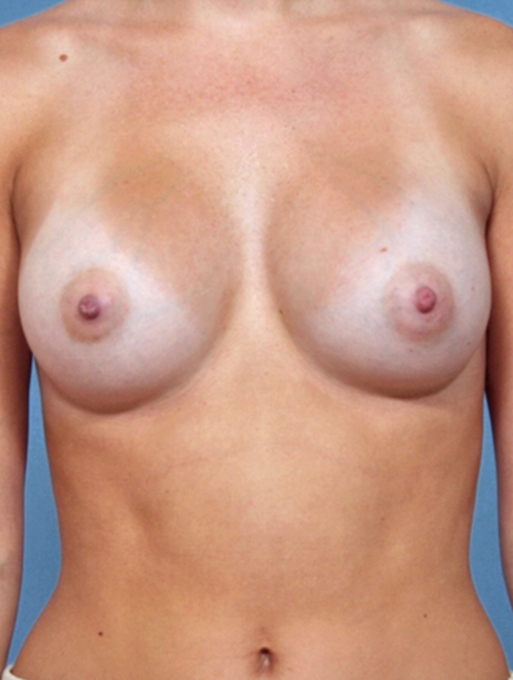
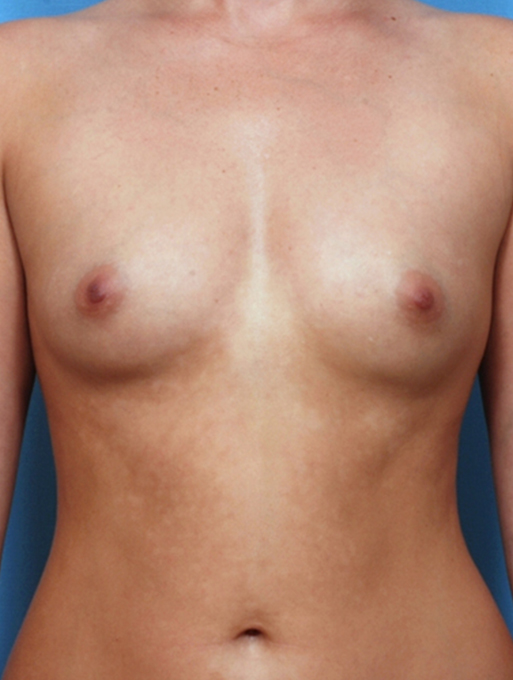

What Is Breast Augmentation?
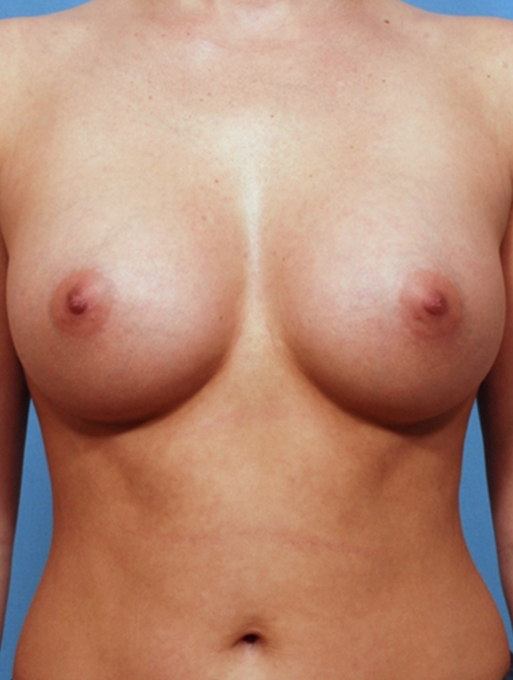
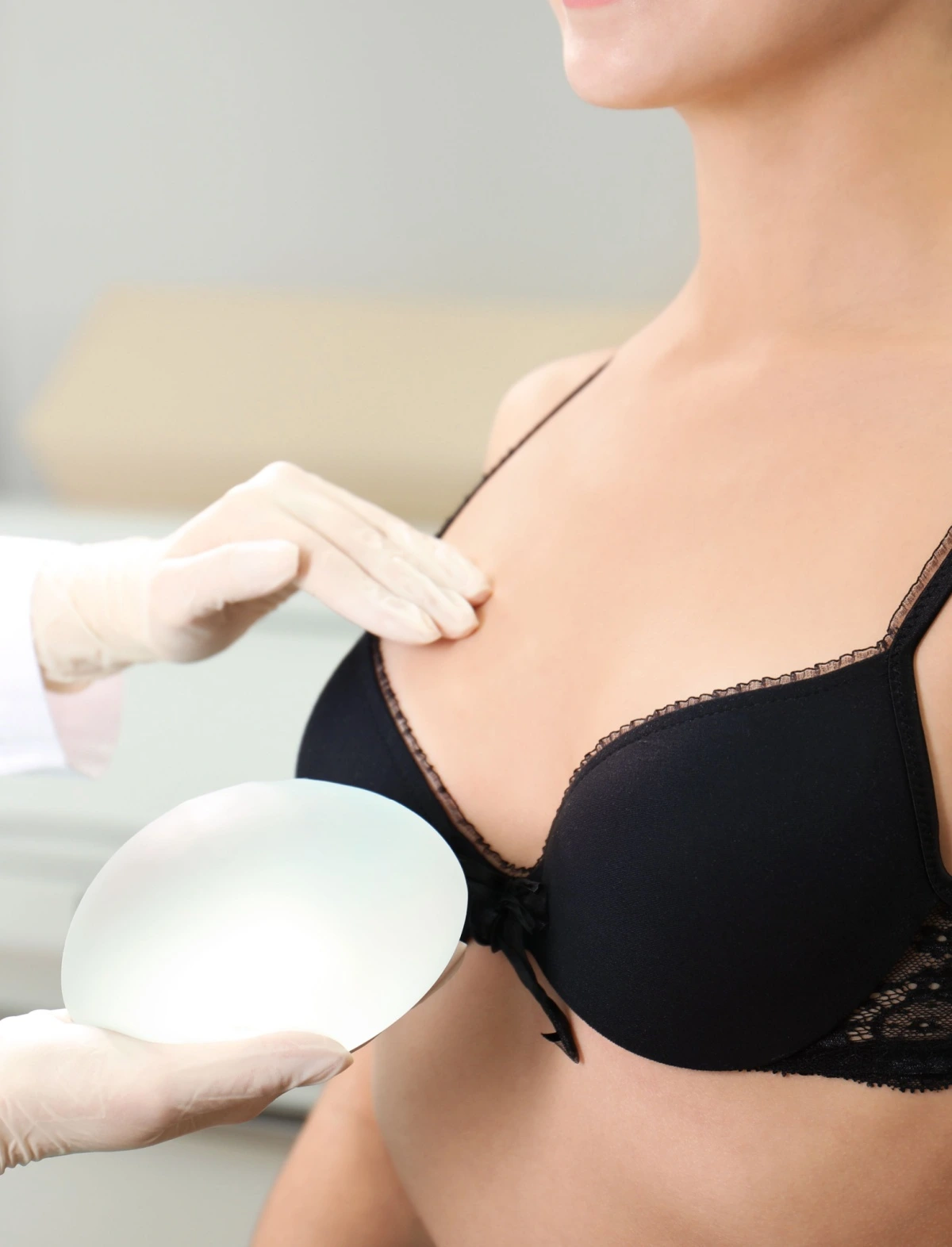
Breast augmentation, also known as augmentation mammaplasty, is a surgical procedure designed to increase breast size and improve breast shape through the placement of implants. The procedure can address a variety of concerns, including:
- Small or underdeveloped breasts
- Asymmetrical breasts (one breast larger than the other)
- Loss of breast volume due to pregnancy, weight loss, or aging
- Desire for improved body proportions and silhouette
- Reconstruction following breast surgery or injury
The surgery typically takes 1 to 2 hours and is performed under general anesthesia in an accredited surgical facility. During the procedure, an implant is placed either above or below the chest muscle, depending on your anatomy and aesthetic goals. The incision can be made in one of three locations: under the breast (inframammary), around the areola (periareolar), or in the armpit (transaxillary).1
Why Choose Dr. Bucky for Your Breast Augmentation

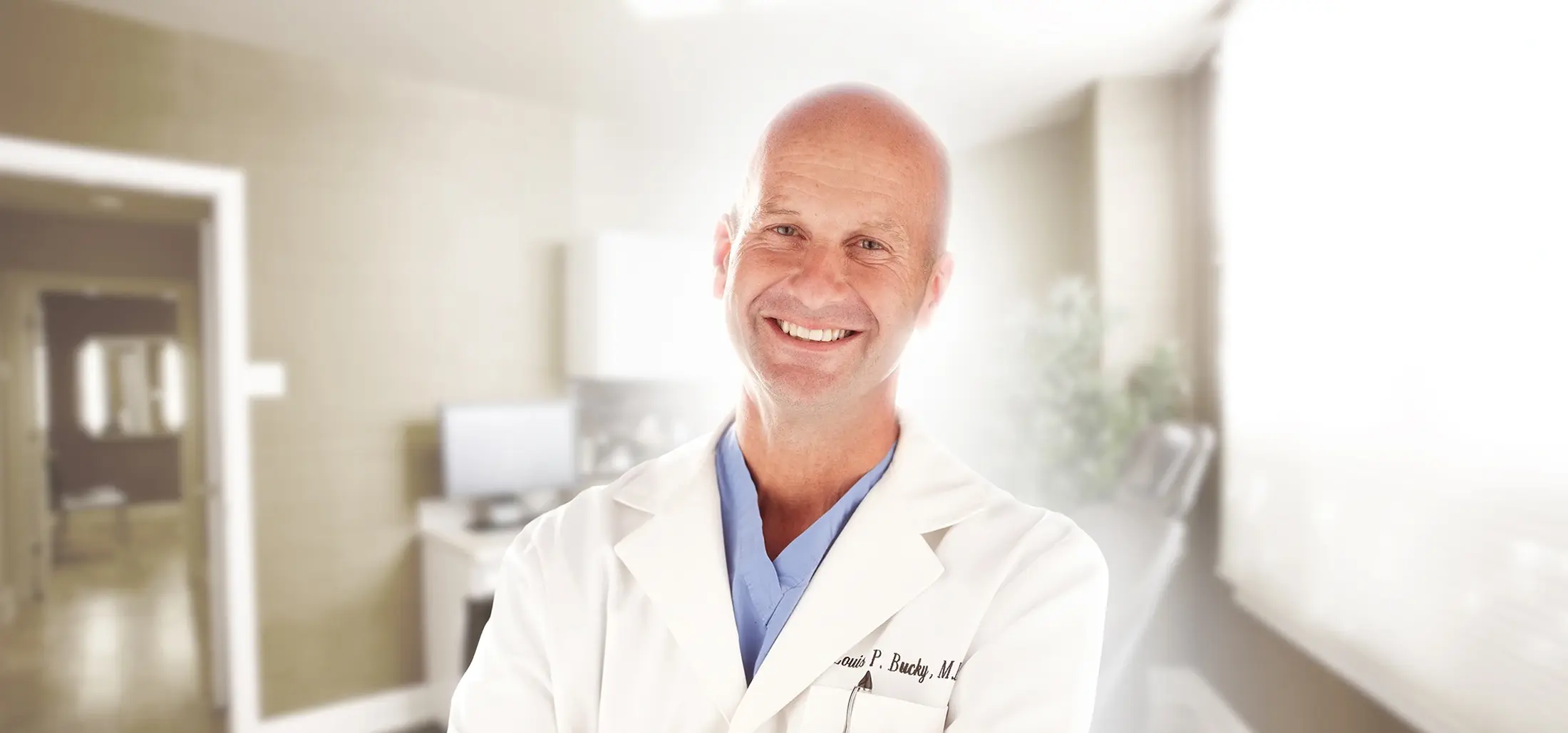
Breast augmentation is Dr. Bucky’s most requested and highest-performed procedure
Dr. Louis P. Bucky performs more than 500 breast surgeries each year, making breast surgery one of the core areas of expertise in his Philadelphia practice.
strong>Recognized nationally for expertise in breast surgery
Dr. Bucky served as Chairman of the Allergan Advisory Board for Breast Augmentation and Reconstruction, placing him among a select group of surgeons helping guide innovation in breast implant technology and surgical techniques.
Nationally recognized for excellence in plastic surgery
Dr. Bucky has been named a Philadelphia Magazine “Top Doctor” every year since 2001 and was ranked #8 among more than 4,000 plastic surgeons nationwide by Newsweek.
Named “Best for Breasts” by goop’s Guide to Cosmetic Surgeons
Dr. Bucky was selected by goop as one of the country’s leading plastic surgeons for breast procedures, highlighting his reputation for expertise and natural-looking results.
International lecturer and educator in breast surgery
Dr. Bucky is frequently invited to lecture and perform live surgery at leading international plastic surgery conferences, sharing his techniques in breast augmentation, fat grafting to the breast, and breast augmentation mastopexy.
Advanced surgical techniques and technology
Dr. Bucky utilizes modern breast augmentation techniques including 3D surgical planning and imaging, helping patients visualize potential outcomes and select implant options that complement their natural anatomy.
Saline vs. Silicone Implants
One of the most important decisions in breast augmentation is choosing between saline and silicone breast implants. Both options are FDA-approved and safe, but they have distinct characteristics that may make one more suitable for your needs.
Saline Implants
Saline implants are filled with sterile saltwater solution. They are inserted empty and filled after placement, which allows for a smaller incision. Key characteristics include:
- Smaller incision required for insertion
- If rupture occurs, the saline is safely absorbed by the body
- Slightly firmer feel compared to silicone
- May be more prone to rippling, particularly in thin-skinned patients
- Typically less expensive than silicone implants
- Require replacement every 10 to 15 years on average2
Silicone Implants
Silicone implants are pre-filled with cohesive silicone gel that mimics the feel of natural breast tissue. Characteristics include:
- More natural feel and appearance
- Less prone to rippling and wrinkling
- Require a slightly larger incision for insertion
- If rupture occurs, the gel may remain in the implant shell or leak into the breast tissue
- Regular monitoring with MRI imaging is recommended
- Typically last 10 to 15 years, though many last longer
- Generally more expensive than saline implants3
Both implant types are durable and safe. The choice between saline and silicone depends on your preferences regarding feel, appearance, incision size, and budget. During your consultation, Dr. Bucky will discuss the pros and cons of each option and recommend the implant type that best suits your anatomy and goals.
Implant Placement Options
The placement of your implant, either above or below the pectoralis major muscle, significantly affects the appearance and feel of your results. Each placement option has distinct advantages and considerations.
Submuscular Placement
In submuscular placement, the implant is positioned beneath the pectoralis major chest muscle. This approach offers several advantages:
- More natural appearance, particularly in thin-skinned patients
- Better long-term support and reduced sagging over time
- Lower risk of capsular contracture (scar tissue formation around the implant)
- Less visible rippling
- Better mammogram imaging for breast cancer screening
- Slightly longer recovery period due to muscle manipulation
Submuscular placement is often recommended for patients with minimal natural breast tissue or those seeking the most natural appearance.
Subglandular Placement
In subglandular placement, the implant is positioned directly behind the breast tissue but above the chest muscle. This approach has the following characteristics:
- Shorter surgical time and faster recovery
- Less post-operative discomfort
- Implant may be more palpable (noticeable to touch)
- Higher risk of capsular contracture
- More visible rippling in thin-skinned patients
- May interfere slightly with mammogram imaging
Subglandular placement may be appropriate for patients with adequate natural breast tissue or those prioritizing faster recovery.
Dr. Bucky will assess your anatomy, skin thickness, and aesthetic goals to recommend the placement option that will deliver the best results for your specific situation.

Incision Techniques
The location of your surgical incision affects scarring, recovery, and the ease of implant placement. Three primary incision options are available.
Inframammary Incision
The inframammary incision is made in the natural crease beneath the breast. This is the most commonly used approach because it:
- Provides excellent visibility and control during surgery
- Allows for precise implant placement
- Results in a scar that is easily hidden by most bras and swimwear
- Offers the shortest surgical time
- Allows for easier implant replacement or revision in the future
Periareolar Incision
The periareolar incision is made around the edge of the areola (the darker skin surrounding the nipple). Advantages include:
- Scar blends with the natural color change of the areola
- Good visibility for implant placement
- Suitable for patients who also need a breast lift
Disadvantages include:
- Potential for temporary or permanent changes in nipple sensation
- Slightly higher risk of breastfeeding complications
- May be less ideal for patients with small areolas
Transaxillary Incision
The transaxillary incision is made in the armpit, leaving no scar on the breast itself. This approach offers:
- No visible scarring on the breast
- Suitable for patients concerned about breast scarring
However, it has some limitations:
- More difficult implant placement and positioning
- Longer surgical time
- Higher risk of implant malposition
- Less commonly used due to technical challenges
During your consultation, Dr. Bucky will recommend the incision technique that best balances your aesthetic preferences with surgical precision and safety.

The Consultation Process
Your breast augmentation journey begins with a comprehensive consultation with Dr. Bucky. This appointment is designed to understand your goals, assess your anatomy, and create a personalized surgical plan.
During your consultation, you can expect:
- A thorough discussion of your aesthetic goals and concerns
- Assessment of your breast anatomy, skin quality, and chest wall dimensions
- Review of implant options, including size, shape, and material
- Advanced Vectra® 3D imaging to visualize potential outcomes
- Discussion of incision and placement options
- Honest assessment of realistic expectations
- Review of risks, benefits, and recovery timeline
- Opportunity to ask questions and address any concerns
Dr. Bucky takes time to listen to each patient and ensure that you feel heard and understood. He believes that the best surgical outcomes result from clear communication and shared decision-making between surgeon and patient.
Preview Your Breast Augmentation Results with VECTRA XT Imaging (Include image from current page)
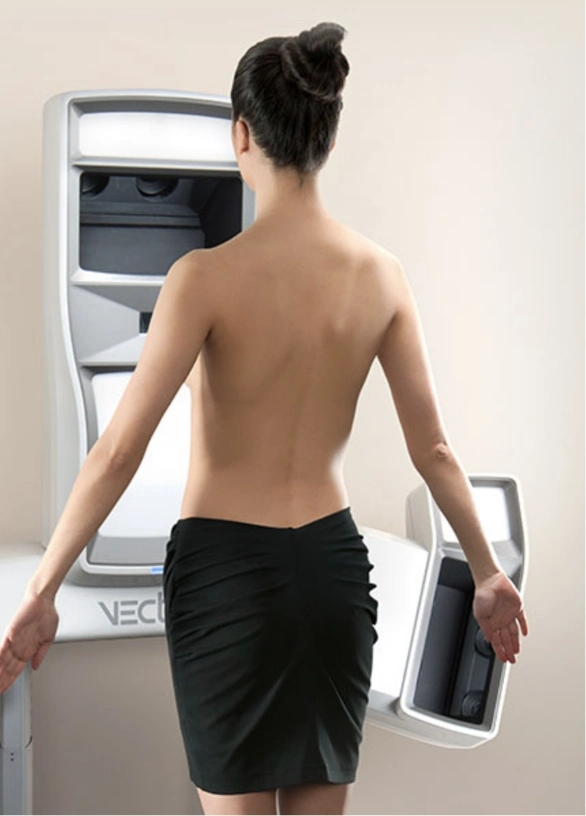
At Bucky Plastic Surgery, we use VECTRA XT, a cutting-edge 3D imaging system that allows you to visualize your potential breast augmentation results before ever stepping into the operating room. This revolutionary technology captures a detailed, three-dimensional image of your existing appearance and generates a realistic simulation of the outcomes you may achieve with a variety of implant options.
VECTRA XT gives you the ability to explore different implant sizes, shapes, and profiles side by side, so you can make a more informed and confident decision about your surgery. Rather than relying on guesswork or generic before and after photos, you can see a personalized projection based on your own unique anatomy.
This technology is one of the many ways Dr. Bucky ensures that every patient feels fully prepared and aligned with their surgical plan before moving forward. The result is a more collaborative consultation experience and a higher likelihood of achieving the outcome you envision.
Recovery Timeline and Expectations
Understanding what to expect during recovery helps you prepare mentally and physically for your breast augmentation. Recovery progresses in phases, with most patients returning to normal activities within 4 to 6 weeks.
It’s important to note that individual recovery varies based on factors such as implant placement, incision technique, and your body’s natural healing response. Dr. Bucky will provide detailed post-operative instructions and schedule follow-up appointments to monitor your healing progress.
Week 1: Immediate Post-Operative Period
- You will experience swelling, bruising, and discomfort
- Pain is typically managed with prescribed medications
- Surgical drains may be in place to prevent fluid accumulation
- You should rest and avoid strenuous activity
- Wear a surgical bra or compression garment as directed
- Avoid driving while taking pain medication
- Most patients take 1 to 2 weeks off work
Weeks 2-3: Early Recovery
- Swelling and bruising gradually decrease
- You may begin light activities, such as walking
- Most patients can return to desk work
- Avoid heavy lifting, pushing, or pulling
- Continue wearing supportive bra or compression garment
- Incisions begin to heal; follow wound care instructions carefully
Weeks 4-6: Intermediate Recovery
- Significant reduction in swelling and bruising
- You can gradually increase activity levels
- Light exercise, such as walking or stationary cycling, may be appropriate
- Avoid heavy lifting and strenuous exercise
- Most patients can return to normal daily activities
- Incisions continue to heal; scars begin to fade
Weeks 6-12: Advanced Recovery
- Most swelling has resolved
- You can resume normal exercise and activities
- Implants continue to settle into their final position
- Scars continue to fade and mature
- Final results become more apparent
3-6 Months: Final Results
- Implants have fully settled into their final position
- Swelling has completely resolved
- Scars have matured and are less noticeable
- Final aesthetic results are fully apparent
Pre-Operative Preparation
Proper preparation before surgery helps ensure optimal results and a smooth recovery. Follow these guidelines in the weeks leading up to your procedure:
- Schedule your surgery at least 2 to 3 weeks in advance to allow time for preparation
- Avoid smoking and nicotine products for at least 2 weeks before surgery, as they impair healing
- Avoid aspirin, ibuprofen, and other blood-thinning medications for 1 to 2 weeks before surgery, unless directed otherwise by Dr. Bucky
- Avoid herbal supplements that may increase bleeding risk
- Arrange for a responsible adult to drive you home and stay with you for at least 24 hours
- Stock your home with comfortable, loose-fitting clothing
- Prepare your recovery space with pillows, entertainment, and easy-to-reach items
- Follow all pre-operative instructions provided by our surgical team
- Attend your pre-operative appointment for final assessment and clearance

Post-Operative Care and Instructions
Following post-operative instructions carefully is essential for optimal healing and results. Key guidelines include:
- Wear your surgical bra or compression garment as directed, typically for 4 to 6 weeks
- Take prescribed medications as directed for pain management and infection prevention
- Keep incisions clean and dry; follow wound care instructions carefully
- Avoid submerging incisions in water (baths, pools, hot tubs) until cleared by Dr. Bucky
- Avoid strenuous activity, heavy lifting, and pushing or pulling for at least 4 to 6 weeks
- Sleep on your back with pillows supporting your arms for the first 2 to 3 weeks
- Attend all scheduled follow-up appointments
- Report any signs of infection, excessive swelling, or unusual symptoms immediately
- Avoid smoking and alcohol during recovery, as they impair healing
- Stay hydrated and eat a nutritious diet to support healing
Implant Longevity and Replacement
Breast implants are not lifetime devices. While they are durable and designed to last many years, they may eventually require replacement due to rupture, deflation, or patient preference.
According to the FDA, the average lifespan of breast implants is approximately 10 to 15 years, though many implants last longer.4 Some patients may never need replacement, while others may choose to replace their implants for aesthetic reasons or due to complications.
Regular monitoring is important for implant health. Patients with silicone implants should have periodic MRI imaging to check for silent rupture (rupture without symptoms). Patients with saline implants will notice deflation immediately if rupture occurs, as the saline is safely absorbed by the body.
If implant replacement becomes necessary, the procedure is similar to the original augmentation, though it may be slightly more complex due to scar tissue. Dr. Bucky will discuss implant longevity and replacement options during your consultation.
Breast Augmentation and Breastfeeding
Many women wonder whether breast augmentation will affect their ability to breastfeed. The good news is that breast augmentation typically does not interfere with breastfeeding, particularly when the inframammary or transaxillary incision is used.
The periareolar incision carries a slightly higher risk of breastfeeding complications because it involves the areola and nipple area, which contain milk ducts. However, most women are still able to breastfeed successfully after this approach.5
If breastfeeding is important to you, discuss this with Dr. Bucky during your consultation. He will recommend the incision and placement technique most likely to preserve your breastfeeding ability.
Breast Augmentation and Mammography
Breast implants do not prevent mammography screening for breast cancer. However, implants can make mammogram imaging slightly more challenging because they can obscure some breast tissue.
Inform your mammography technician that you have breast implants. Specialized imaging techniques, such as implant displacement views, can be used to visualize breast tissue more clearly. Submuscular implant placement also allows for better visualization of breast tissue during mammography compared to subglandular placement.
Regular breast self-exams and clinical breast exams by your physician remain important components of breast health monitoring, regardless of implant status.
Risks and Complications
While breast augmentation is generally safe, all surgical procedures carry some degree of risk. Potential complications include:
- Infection
- Bleeding or hematoma (blood collection)
- Seroma (fluid collection)
- Capsular contracture (scar tissue tightening around the implant)
- Implant rupture or deflation
- Changes in nipple or breast sensation
- Asymmetry or malposition of implants
- Unsatisfactory aesthetic results
- Need for revision surgery6
Serious complications are uncommon. According to the American Society of Plastic Surgeons, major complication rates for breast augmentation are low, typically occurring in less than 5% of patients. Dr. Bucky’s extensive experience and meticulous surgical technique help minimize these risks.
During your consultation, Dr. Bucky will discuss these risks in detail and explain how he takes steps to prevent complications and ensure your safety.

Combination Procedures
Many patients choose to combine breast augmentation with other cosmetic procedures to achieve comprehensive body enhancement. Common combination procedures include:
Breast Lift with Augmentation
If you have significant breast sagging (ptosis) in addition to desiring increased volume, a breast lift combined with augmentation may be appropriate. This procedure addresses both volume and position, creating a more youthful breast contour.
Liposuction and Body Contouring
Combining breast augmentation with liposuction of the abdomen, flanks, or other areas can create a more balanced, proportionate silhouette.
Tummy Tuck (Abdominoplasty)
For patients seeking comprehensive body contouring, combining breast augmentation with a tummy tuck can create dramatic improvements in overall body shape and proportion.
Mommy Makeover
Breast augmentation is commonly performed as part of a Mommy Makeover, a customized combination of procedures designed to address physical changes after pregnancy and breastfeeding. A Mommy Makeover often includes breast surgery along with procedures such as tummy tuck or liposuction to restore body contours and improve overall proportion.
Dr. Bucky will discuss combination procedure options during your consultation and help you prioritize procedures based on your goals and recovery considerations.
Frequently Asked Questions
The cost of breast augmentation varies based on factors such as implant type, placement, incision technique, and surgeon experience. During your consultation, Dr. Bucky will provide a detailed cost estimate. We offer flexible financing options to make breast augmentation more accessible.
Breast augmentation typically takes 1 to 2 hours, depending on the complexity of your case and whether additional procedures are being performed.
Incision scars fade significantly over time, typically becoming much less noticeable within 6 to 12 months. The location and visibility of scars depend on the incision technique used. Dr. Bucky will recommend the incision approach that minimizes visible scarring based on your anatomy and preferences.
Most patients can return to desk work within 1 to 2 weeks. Return to physically demanding work may take 4 to 6 weeks, depending on the nature of your job and your individual healing response.
Light exercise, such as walking, can typically resume within 2 to 3 weeks. More strenuous exercise and heavy lifting should be avoided for at least 4 to 6 weeks to allow proper healing.
The feel of implants depends on implant type, placement, and your natural breast tissue. Silicone implants feel more natural than saline implants. Submuscular placement also tends to feel more natural than subglandular placement. Dr. Bucky will discuss what to expect during your consultation.
Breast augmentation typically does not interfere with breastfeeding, particularly with the inframammary incision. The periareolar incision carries a slightly higher risk, but most women can still breastfeed successfully.7 Discuss your breastfeeding plans with Dr. Bucky during your consultation.
Breast implants typically last 10 to 15 years on average, though many last longer. Some patients never need replacement, while others may choose to replace their implants for aesthetic reasons or due to complications.8
Dr. Bucky’s practice is conveniently located in Philadelphia, PA, serving patients throughout the Philadelphia area and surrounding regions. We offer comprehensive breast augmentation services with personalized consultation, advanced surgical techniques, and dedicated post-operative care. Schedule your consultation today to discuss your breast augmentation goals with an experienced, board-certified plastic surgeon.
Patient Testimonials and Results
Our patients consistently report high satisfaction with their breast augmentation results. Here are some representative testimonials:
I cannot say enough good things about Dr. Bucky and his entire team. I live in Manhattan and did extensive research on top surgeons in NYC, but once I came across Dr. Bucky's work, I felt it exceeded my options in the city so much that I chose to commute to Philly without hesitation. It was absolutely worth it.R.R
 R.R
Dr. Bucky is hands down the best. He's highly regarded in the business, is still involved in scientific innovations in the field, and has been around long enough to know where the profession is going. He listened to exactly what I wanted, looked at all my inspo photos, and gave me the most incredible results. I knew I wanted something a little larger and less "natural" but Dr. Bucky never made me feel silly or small for what I wanted. He knew exactly how to get me there and was cool, calm, collected, and considerate throughout the whole process. The Vectra process of 4D imaging after you've settled on a size really helped to visualize what the augmentation was going to look like at the end. His team is great as well - everyone in the office is friendly and helpful and answered all my recovery questions.
Dr. Bucky is extremely meticulous and thorough. Working with him was an easy process. I had a previous breast surgery with another doctor that resulted in complications. After meeting with Dr. Bucky, he immediately knew how to fix my problem. I knew he was the best doctor for me. I finally feel like myself again. I feel so confident and comfortable with my new breasts. It was truly a pleasure to have him do my procedure. All of his staff are extremely professional and put me at ease. Especially nurse Kate. 10/10 would totally recommend him to anyone who is looking to have a beautiful, natural result!

Why Natural Results Matter
As Dr. Bucky often says, “The best breast augmentation is one that looks like it was meant to be there.” This philosophy guides every procedure he performs. Rather than creating dramatic, obviously augmented breasts, Dr. Bucky focuses on enhancing your natural beauty and creating results that complement your body frame and aesthetic goals.
Natural-looking results require careful attention to implant size, placement, and technique. An implant that is too large for your frame will look artificial and unbalanced. Proper placement and incision technique ensure that the implants integrate seamlessly with your natural breast tissue.
This commitment to natural results is one reason why Dr. Bucky’s patients consistently report high satisfaction and why his practice has earned recognition as a leader in breast augmentation in Philadelphia.
Advanced Technology and Techniques
Dr. Bucky’s practice utilizes advanced technology to enhance surgical precision and patient outcomes. These include:
- 3D imaging systems for pre-operative visualization and planning
- High-definition surgical lighting and magnification
- Advanced anesthesia monitoring for patient safety
- State-of-the-art surgical facilities with full accreditation
- Experienced surgical nursing staff trained in cosmetic procedures
These technological advances, combined with Dr. Bucky’s extensive experience and artistic vision, ensure that you receive the highest standard of care.
Financing Options
We understand that breast augmentation is a significant investment. To make this procedure more accessible, we offer flexible financing options, including:
- Payment plans with no interest
- Third-party financing through established medical finance companies
- Insurance coverage for breast reconstruction following mastectomy (in certain cases)
During your consultation, our financial coordinator will discuss financing options and help you find a payment plan that fits your budget.
Contact Us
Ready to take the next step toward achieving your breast augmentation goals? Schedule your personalized consultation with Dr. Louis P. Bucky today. During your consultation, you’ll discuss your aesthetic goals, learn about your options, and develop a customized surgical plan.
Contact us to schedule your appointment. We serve patients throughout Philadelphia, PA and the surrounding areas. We look forward to helping you achieve the natural, beautiful results you deserve.
1 Mayo Clinic. Breast augmentation. Available: https://www.mayoclinic.org/tests-procedures/breast-augmentation/about/pac-20393178. Accessed March 6, 2026.
2 U.S. Food and Drug Administration. Types of Breast Implants. Available: https://www.fda.gov/medical-devices/breast-implants/types-breast-implants. Accessed March 6, 2026.
3 U.S. Food and Drug Administration. Types of Breast Implants. Available: https://www.fda.gov/medical-devices/breast-implants/types-breast-implants. Accessed March 6, 2026.
4 FDA. What to Know About Breast Implants. Available: https://www.fda.gov/consumers/consumer-updates/what-know-about-breast-implants. Accessed March 6, 2026.
5 Schiff, M, et al. The impact of cosmetic breast implants on breastfeeding: a systematic review and meta-analysis. International Breastfeeding Journal 2014; 9: 17.10.1186/1746-4358-9-17. Accessed March 6, 2026.
6 American Society of Plastic Surgeons. What are the risks of breast augmentation? Available: https://www.plasticsurgery.org/cosmetic-procedures/breast-augmentation/safety. Accessed March 6, 2026.
7 Schiff, M, et al. The impact of cosmetic breast implants on breastfeeding: a systematic review and meta-analysis. International Breastfeeding Journal 2014; 9: 17.10.1186/1746-4358-9-17. Accessed March 6, 2026.
8 FDA. What to Know About Breast Implants. Available: https://www.fda.gov/consumers/consumer-updates/what-know-about-breast-implants. Accessed March 6, 2026.
Dr. Bucky has either authored or reviewed and approved this content.
Page Updated: